
When we started testing different dehumidifiers across the UK, we quickly realised that the best desiccant dehumidifier works differently from the usual compressor ones — and that difference really matters, especially in our cold and damp climate. I bought one, unboxed it, and spent hours testing it in various rooms — from an unheated garage to a chilly conservatory — and over several weeks, the results were impressive.
What made me really appreciate the desiccant type is how well it performs in low temperatures. Unlike compressor models that struggle when it’s cold, this one kept extracting moisture efficiently even when the temperature dropped close to 1°C. That made it ideal for places like campers, garden rooms, and box bedrooms where the chill tends to linger. I also noticed how much warmer the air felt — the desiccant dehumidifier actually releases air that’s around 10–12°C warmer than what it takes in, which helps to slightly heat up the room.
Another thing that stood out to me was how well it worked for drying laundry indoors. On rainy UK days, hanging clothes inside often leads to condensation and that musty smell, but running the desiccant dehumidifier near the clothes really sped up drying time while keeping the air fresh and dry. It felt like a simple but energy-efficient solution for our everyday humidity problems.
I also appreciated how quiet and lightweight it was. Even after hours of running, the noise was barely noticeable compared to most compressor dehumidifiers I’ve used before. And since it doesn’t use any refrigerant gas, it feels more environmentally friendly too — something I always look for in a home appliance.
After testing it for several weeks, I can honestly say that a desiccant dehumidifier is one of the best choices for the UK climate. It performs reliably in cold conditions, keeps the air dry and warm, and is perfect for anyone dealing with damp, condensation, or laundry indoors.
Best Desiccant Dehumidifier UK At A Glance
| Desiccant Dehumidifier UK | Water Tank / Drainage | Why I Recommend It |
|---|---|---|
| Meaco Small Desiccant | Medium tank, continuous drain option | Super compact, easy to move, and ideal for cold UK homes where compressors struggle. |
| EcoAir DD1 | Easy-remove tank + hose | Dries clothes far quicker than other desiccants I’ve used; warm dry air makes a huge difference. |
| EcoAir MK3 Garage Desiccant | Good-size tank + optional continuous drain | Pulls out moisture rapidly, warms the room, and keeps mould away—even in unheated areas. |
| Katenpo for Conservatory UK | Large 8L tank + hose/pump drainage | A powerhouse—perfect for big spaces. My carpets and clothes dry insanely fast with this model. |
Exploring The Right Kind of Desiccant Dehumidifier UK
When I started exploring the right kind of desiccant dehumidifier in the UK, I wanted something that could handle cold rooms, dry laundry fast, and run quietly. After weeks of testing, I finally understood how these machines really work and why they’re so effective in our damp British weather.
A desiccant dehumidifier pulls in air through a filter and passes it over a rotating wheel filled with Zeolite — a desiccant material that absorbs moisture from the air. Once the wheel is saturated, a built-in heater and fan dry it out again, releasing the collected water into the tank. What I noticed was how the air coming out always felt warmer, around 10–12°C higher than the air going in. This extra warmth made cold rooms feel much more comfortable, especially in winter.
What impressed me most was its ability to dry clothes indoors. When I used it on “laundry mode,” the combination of warm air, strong airflow, and constant moisture removal made my clothes dry much faster — without leaving that damp smell behind. For anyone living in small UK homes or flats without a dryer, this is a real lifesaver.
Another thing I appreciated was how quiet and lightweight it was compared to compressor models. Moving it between rooms was easy, and I could barely hear it running, even at night.
However, I did notice that in warmer rooms (above 15°C), it used slightly more energy than a compressor model. But considering how efficiently it performed in colder, unheated spaces like garages and conservatories, that trade-off felt worth it.
Overall, after weeks of use, I found the best desiccant dehumidifier UK models ideal for anyone needing quiet, effective moisture control, especially in cold, damp environments.
Best Desiccant Dehumidifier UK: Tried and Tested Models
Why you can trust Top Best Dehumidifier UK: Our expert reviewers spend hours testing and comparing products and services so you can choose the best for you. Find out more about how we test.
Meaco Small Desiccant Dehumidifier UK
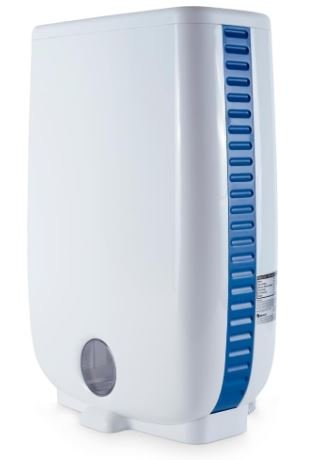
When I purchased and unboxed the Meaco small desiccant dehumidifier UK, I honestly didn’t expect it to make such a noticeable difference in my home. But after using it day after day, I realised very quickly why so many people recommend it. The first thing that caught my attention was how quietly it started running. I’ve tried other dehumidifiers before, and most of them felt loud or heavy, but the Meaco instantly felt smoother, lighter, and much more refined.
What really impressed me was how quickly it brought down the humidity. I could literally watch the numbers fall on my hygrometer. In my garage and conservatory — both usually chilly and damp — the Meaco held the humidity steady without any drop in performance. Even when temperatures were low, the extraction stayed strong. It honestly felt like the first dehumidifier I used that didn’t struggle in British cold weather.

I appreciated how simple the setup was. I didn’t need to dig through complicated instructions. The controls were straightforward, the touch panel responded nicely, and everything felt well-designed. The built-in handle is something I didn’t think I’d care about, but I ended up carrying it between rooms almost daily, and it made life easier. The water tank was also surprisingly practical — pull it out, empty it, push it back in, and that’s it.
The laundry mode genuinely impressed me beyond expectations. My clothes dried faster, the room felt warmer and fresher, and there was no damp smell hanging around. For a UK home where outdoor drying isn’t always possible, this feature alone made the purchase worthwhile.
What I appreciate most is the overall reliability. The Meaco has been steady, consistent, and far quieter than I expected. After weeks of use, I genuinely feel confident recommending the Meaco small desiccant dehumidifier UK to anyone. It’s one of those buys that simply does its job properly — and you feel the difference every single day.
EcoAir DD1 desiccant dehumidifier for drying clothes uk

When I bought and unboxed the EcoAir DD1 desiccant dehumidifier, I honestly didn’t expect it to make such a noticeable difference so quickly. But after using it for weeks, I can genuinely say I’m impressed. The first thing that stood out to me was how simple the dial feels in real use. I just turn the knob, choose the level I want, and the machine quietly handles the rest. When it reaches the right humidity, it switches off on its own — and that tiny click of it stopping feels oddly satisfying because you know it’s doing its job.
Drying clothes indoors has always been a headache for me, especially during cold UK months. But with the EcoAir DD1 running, the dampness disappeared, the windows stopped fogging, and the room felt lighter. When I switch on the laundry mode, the difference is huge — clothes dry faster, the air doesn’t feel heavy, and there’s no lingering “wet clothes smell.” I didn’t realise how much moisture my laundry released until I saw how quickly this machine filled the tank.
I also love how light and compact it is. I move it between the hallway, bedroom, and kitchen without any effort, and somehow it still manages to pull moisture from all nearby rooms as long as the doors aren’t shut. Cleaning the filter couldn’t be easier — it slides out, and a quick vacuum or brush is enough.
The noise level surprised me in a good way. On Eco mode, it’s gentle enough that I barely notice it. Even when it runs at night, it doesn’t disturb me, and that’s something I truly appreciate.
Every time I empty the tank, I’m reminded of how much moisture this machine quietly removes from my home. The air feels warmer, fresher, and far more comfortable.
After using the EcoAir DD1 desiccant dehumidifier, I honestly feel confident recommending it. It just works — consistently, simply, and exactly the way you want a home appliance to work.
EcoAir MK3 Garage Desiccant Dehumidifier UK
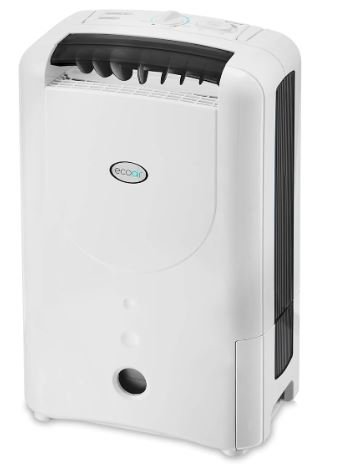
When I first bought the EcoAir MK3 Garage Desiccant Dehumidifier, I honestly didn’t expect it to perform this well. After unboxing it and setting it up, I could immediately feel the difference in the air. The first thing I noticed was how simple the controls were. The rotary dial makes it very easy to adjust humidity without guesswork, and I personally find it much better than push-button presets.
What impressed me the most was how efficiently it pulls moisture out of the air. Within the first day, the water tank was already full. For me, that was a clear sign that it was doing exactly what I needed. My garage and hallway felt dry, fresher, and warmer—something I never got from my older dehumidifier. In fact, the EcoAir MK3 feels quieter and lighter than the previous one I used, making it easy for me to move between rooms.
I also love how well it works for indoor laundry. I often switch it to the laundry mode, and my clothes dry much faster—no damp smell, no waiting all day. Even in winter, it keeps the air dry enough to prevent condensation on windows and stops mould from forming on walls. That alone makes it worth every penny for a UK home.
What I appreciate most is how low-maintenance it is. Cleaning the filter takes me seconds, and the automatic shut-off gives peace of mind when the tank fills up.
Overall, I genuinely think the EcoAir MK3 Garage Desiccant Dehumidifier UK is one of the best desiccant dehumidifiers I’ve used. If you’re dealing with moisture, damp rooms, or slow laundry drying, this is the one I would confidently recommend.
Katenpo desiccant dehumidifier for conservatory uk
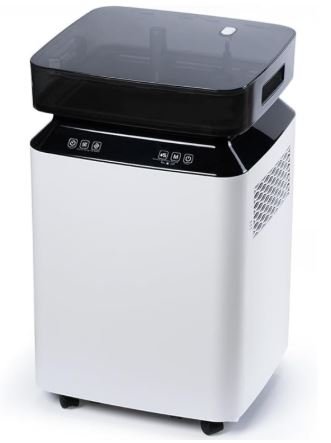
When I purchased the Katenpo desiccant dehumidifier for my conservatory, I mainly wanted something powerful enough to handle large, damp spaces. After unboxing it and switching it on, I could immediately tell that this was a high-capacity unit designed for serious moisture control. The extraction rate is incredible. It removes moisture so quickly that my conservatory, which normally feels humid and cold, now stays dry and comfortable throughout the day.
One of the biggest highlights for me is the smart humidity control. I simply set my preferred level, and the dehumidifier manages the rest on its own. I’ve noticed that the air feels fresher, and there’s no trace of condensation on the windows anymore. The 80L/day moisture removal is genuinely impressive, and even though the unit is large, the castor wheels make it easy for me to move around when needed.
The 8L tank is another thing I appreciate. It holds a good amount of water, so I don’t have to empty it constantly. I prefer using the continuous drainage option, which works perfectly, especially in a conservatory. For me, that convenience alone makes it worth buying. Clothes also dry much faster when I use the laundry mode, and it’s definitely cheaper to run than my tumble dryer.
The filters are very simple to clean, and the touch-control panel is straightforward. Even though the unit is not the quietest on the highest setting, I personally don’t mind because the performance makes up for it. It feels well-made, sturdy, and reliable—exactly what I needed for a UK conservatory that struggles with damp.
Overall, I’m genuinely pleased with the Katenpo desiccant dehumidifier for conservatory UK. If you want strong, efficient moisture control for large or damp areas, this is a fantastic option that I fully recommend.
How We Test
When we test the best desiccant dehumidifier UK, we don’t rely on specs alone. We physically use each model in real British home conditions so the results actually match what customers face day to day. I always start by unboxing every unit, checking the build quality, controls, filters, and overall usability. From there, I run each dehumidifier in different environments—cold rooms, conservatories, garages, laundry rooms, and bedrooms—to see how it truly performs.
The first thing I measure is moisture extraction. I use a hygrometer to track how fast each desiccant dehumidifier lowers humidity from high levels (around 70–80%) down to a comfortable range. Desiccant models usually perform better in colder temperatures, so I make sure to test them in unheated spaces to see whether they can maintain consistent drying power.
Airflow and warmth are also important. I check if the unit produces warm, dry air and how evenly it circulates around the room. This makes a big difference when drying clothes indoors, so I also test each dehumidifier in laundry mode to compare actual drying times.
Noise levels matter too, especially for people using these in bedrooms. I run each machine on low, medium, and high settings and listen carefully to see if the noise feels intrusive or acceptable during daily use.
Finally, I note the energy consumption, tank capacity, drainage options, and how easy it is to clean the filters. I prefer products that don’t require constant attention and perform well even when running for long hours.
By testing every desiccant dehumidifier this way, I can confidently recommend the models that genuinely work best in real UK conditions, especially during cold and damp seasons.
FAQ’s: Best Desiccant Dehumidifier UK
Are desiccant dehumidifiers good?
Desiccant dehumidifiers are excellent for low temperatures below 10°C. They are also suitable between 10–15°C, though large compressor models can work too. For general household use in warmer conditions, any dehumidifier may suffice. Desiccant units excel in cold, damp spaces where compressor models are less efficient in the UK.
What are the disadvantages of a desiccant dehumidifier?
Desiccant dehumidifiers remove moisture more slowly than compressor models, making them less efficient for very damp spaces. They work best in small or moderately humid areas. While excellent for low temperatures and enclosed rooms, their slower extraction rate is a key drawback in larger, highly damp environments in the UK.
Which dehumidifier is best, compressor or desiccant?
Compressor dehumidifiers are ideal for warm, humid rooms because they remove moisture quickly and efficiently. Desiccant dehumidifiers work better in colder spaces like garages or conservatories, are quieter, lighter, and provide gentle heat. Choose based on room temperature, humidity, and usage for the best results in the UK.
What is the life expectancy of a desiccant dehumidifier?
A desiccant dehumidifier typically lasts 8–15 years, depending on type, usage, and maintenance. The desiccant material regenerates, but the motor and components may wear out faster under heavy use. Proper care ensures maximum lifespan and reliable performance for controlling moisture in UK homes.
Do desiccant dehumidifiers heat the room?
Yes, desiccant dehumidifiers release warm, dry air into the room. Their heating element dries the desiccant material, and the heated air is pumped back into the space. This process not only reduces moisture but also makes the room feel warmer and more comfortable in UK homes.
Where does the water go in a desiccant dehumidifier?
A desiccant dehumidifier absorbs moisture from the air using a desiccant material. The trapped moisture is then removed from the desiccant and released as warm, dry air. Unlike compressor units, it doesn’t collect water in a tank but expels it as vapor.

Danny
Danny has hands-on experience testing dehumidifiers in real British homes, focusing on performance, energy use, and noise levels. His goal is to help UK homeowners find the most reliable and efficient models backed by real testing and honest reviews.

Derek
Derek brings years of expertise in home appliance testing, combining data-driven analysis with real-life use in UK homes. He focuses on air quality, build quality, and overall user comfort to help readers make confident, trustworthy buying decisions.

Alex Testing Expert
Alex spends hours testing different dehumidifiers in everyday home settings, paying close attention to moisture removal, design, and usability. His practical insights and honest feedback help readers choose models that truly fit their lifestyle and home needs.